

I get this question a lot — usually right after someone’s had a scare. Maybe an employee accessed a sensitive file from a personal device. Maybe IT found an unauthorized SaaS app running inside the network. If you’re asking What Is a Cloud Access Security Broker, you’re already thinking the right way. Let me give you a straight answer, because this is one of those tools that genuinely matters — especially if your business is anywhere near the cloud workloads and data-heavy operations we see across Phoenix metro area and the broader Phoenix metro area metro.
What a CASB Solution Actually Does
A Cloud Access Security Broker — CASB — sits between your users and every cloud service they touch. Think of it as a checkpoint that watches, filters, and enforces policy across all your SaaS apps, IaaS platforms, and cloud storage in real time. It gives your IT team visibility into who is accessing what, from where, and whether that behavior looks normal or alarming.
A mature cloud cybersecurity services stack typically covers four core capabilities through a CASB:
- Visibility — discovers every cloud app in use, including shadow IT your team never approved
- Data security — enforces DLP policies so sensitive files don’t walk out through personal Dropbox accounts
- Threat protection — flags anomalous behavior like a Chandler employee suddenly downloading gigabytes at 2 a.m.
- Compliance enforcement — maps cloud activity to HIPAA, SOC 2, PCI-DSS, and other frameworks automatically
If your organization doesn’t know exactly which cloud apps are running right now, you have a shadow IT problem worth addressing immediately — and a CASB is often the right instrument for it.
“Cloud access control isn’t about distrust — it’s about knowing exactly what’s happening with your data so you’re never the last person to find out.”
Who Actually Needs Cloud App Security at This Level?

Honest answer: not every 10-person shop needs an enterprise CASB platform. But if any of the following describes you, this conversation is overdue.
- You’re in a regulated industry — healthcare, finance, legal, government contracting — anywhere from North Phoenix medical groups to Tempe fintech firms
- Your team uses Microsoft 365, Salesforce, Google Workspace, or any combination of SaaS tools across multiple locations
- You’re handling customer PII, financial records, or protected health information
- You’ve recently moved workloads to the cloud and your old perimeter controls no longer reach them
- A cyber insurance renewal just asked you to document cloud access controls — and you couldn’t
New businesses especially — startups building on cloud-native infrastructure near the Scottsdale Airpark corridor or Downtown Phoenix — often skip this layer entirely and build compliance debt they’ll pay back hard later. If you’re starting fresh, read how to build a security-first IT environment from day one.
For companies navigating formal audits, a CASB also feeds directly into SOC 2 compliance requirements — particularly around logical access controls and monitoring. The NIST Cybersecurity Framework also addresses cloud visibility as a foundational control; you can review the NIST Cybersecurity Framework documentation for specifics.
How a CASB Fits Into Your Broader Defense Strategy
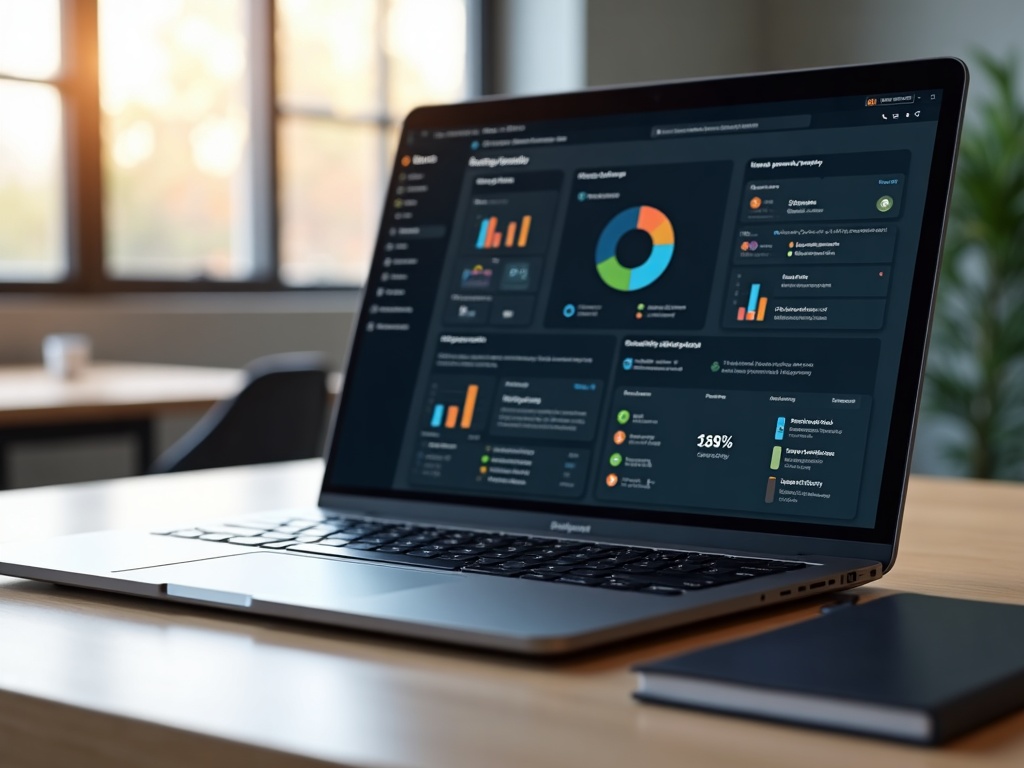
A CASB isn’t a standalone fix — it’s one layer in a properly built stack. It works best alongside Zero Trust and identity controls, solid network segmentation, and a defense-in-depth strategy that doesn’t depend on any single tool holding the line. For businesses running both OT and IT environments — manufacturers in Gilbert, utilities near the I-10 corridor — cloud security has to integrate with everything else, not float above it independently.
That integration is where most generic MSPs fall short. They hand you a CASB license and call it done. We don’t work that way.
What This Costs — and What to Expect
CASB solutions range widely. Lightweight cloud-native options can run $5–$15 per user per month. Enterprise platforms with full DLP, API inspection, and inline proxy capabilities run $20–$40+ per user. The right tier depends entirely on your risk profile, compliance obligations, and how complex your cloud environment actually is — not on what a vendor’s sales rep recommends.
We start with a proper risk assessment before recommending anything. That way you’re not paying for enterprise controls on a problem that needs a targeted fix — and you’re not underprotected because someone sold you the cheapest option.
I’m Ram, and after two decades locking down data centers and cloud environments across Phoenix metro area and AZ, I still believe the best security decision you can make is picking up the phone before something goes wrong — not after. Call EfficienIT at (602) 750-1083 and let’s look at what your cloud environment actually looks like right now. No sales pitch. Just a real conversation with someone who gets it.